
Where This Type of Fence Works Best and Why People Choose It
Iron fencing is often used when people want security, clear property lines, and a clean look for a home or business. It works well around front yards, pools, gardens, offices, schools, and retail spaces. In many cases, it gives better visibility than solid fencing while still adding strength and curb appeal. For property owners in Shreveport, LA, this makes it a practical choice for both daily use and long-term value.
Quick Answer
For most properties, iron fencing fits best when you need a mix of safety, appearance, and durability. At homes, it is common around yards, driveways, patios, and pool areas. At business sites, it is often used around parking lots, entry points, storage areas, and building perimeters. This makes it a strong option for people comparing fence materials and trying to decide what works best for each space.
Residential Uses Versus Commercial Uses
Homes and businesses often need different things from a fence. A homeowner may care more about style, child safety, or pet control. A business owner may care more about access control, security, and keeping the property easy to see from the street. Even so, iron fencing can serve both types of needs.
- Residential spaces often use it for front yards and gardens
- Pool areas use it for safety and clear boundaries
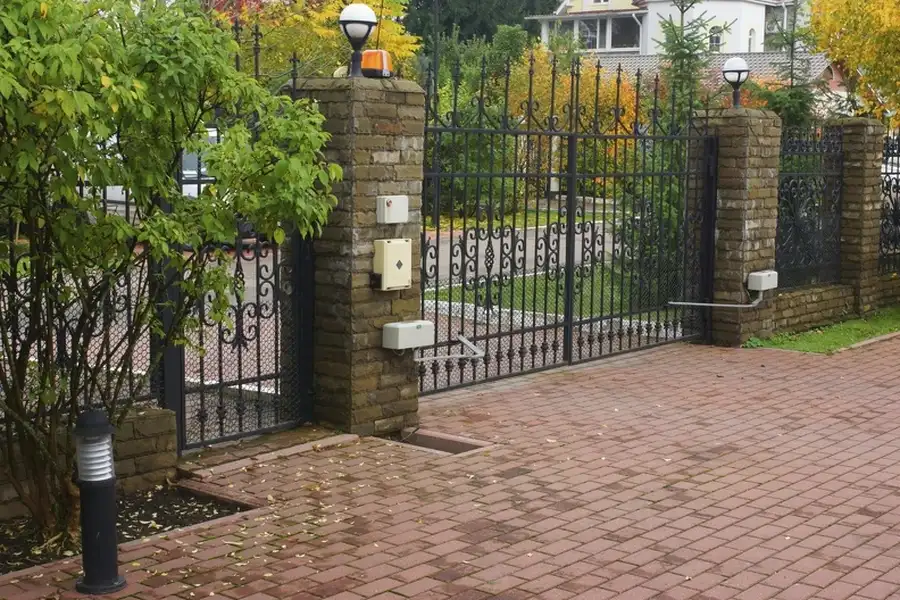
- Driveways use it with gates for controlled access
- Commercial lots use it to protect buildings and vehicles
- Office sites use it to create a neat, professional border
- Schools and public sites use it to guide entry and exit points
This service category keyword can apply to many layouts, from small homes to large business properties.
Pros and Cons to Think About
Every fencing material has strengths and weak points. iron fencing stands out for its solid feel and classic appearance, but it may not be the best fit for every project.
- Pros: strong, long-lasting, open visibility, attractive design options
- Pros: works with gates, access systems, and decorative details
- Pros: good for homes that want style without blocking views
- Cons: offers less privacy than wood or vinyl panels
- Cons: may need care if exposed to rust-prone conditions
- Cons: can feel too formal for some casual property styles
For many people, the biggest benefit is balance. They get a fence that looks nice, defines the space, and helps protect what is inside.
Best Fit by Property Type
The right fence depends on how the space is used each day. A front yard may need a welcoming look. A side yard may need pet control. A warehouse may need a taller barrier with a gate. A restaurant patio may need a border that feels open, not closed off.
Residential properties often choose iron fencing for decorative borders and secure enclosures. It can frame landscaping without hiding it. It can also help families keep children and pets in a safe area. Pool owners often like it because it creates a barrier while keeping sight lines open.
Commercial properties often choose this material because it helps control access without making the site feel shut in. Customers can still see the property. Staff can monitor entrances more easily. In some cases, the fence is paired with a gate system for added control.
Mistakes People Make When Choosing
One common mistake is picking a fence based only on appearance. A fence might look great in a photo but fail to match the daily needs of the property. Another mistake is ignoring height, gate placement, and traffic flow. These details matter just as much as the material.
Some people also forget about the difference between security and privacy. iron fencing is great for boundaries and visible protection, but it does not block views like a solid panel fence. If full privacy is the main goal, another material may fit better.
It is also easy to overlook local rules. Pool codes, business access needs, and neighborhood standards can all shape the right choice. Planning ahead helps avoid changes later.
Final Decision Checklist
If you are deciding whether iron fencing makes sense for your property, use this simple checklist:
- Decide if you want visibility or full privacy
- List the main goal: safety, style, security, or access control
- Think about who uses the space each day
- Choose the areas that need gates or entry points
- Check local code rules for homes or commercial sites
- Compare the look of the fence with the building style
- Plan for long-term care and maintenance
This basic review helps narrow the choice. It also makes it easier to compare iron fencing with wood, chain link, aluminum, or vinyl options.
When It Makes Sense to Ask a Professional
Professional help is useful when the property has slopes, multiple gates, pool rules, or a large commercial layout. It also helps when you want the fence to do more than one job, like improve appearance and increase security at the same time. A pro can spot layout issues early and help match the fence design to the way the space really works.
That can save time and reduce mistakes. It can also help property owners choose the right height, spacing, and gate placement from the start.
Get Help With the Right Fence for Your Property
If you are planning a project in Shreveport, LA, we can help you think through the best use for each part of your space. At Eagle Fencing & Iron Works, we help property owners compare options and choose fence layouts that fit real needs. Call us at (318) 346-8970 to talk with our team and get helpful guidance for your next project.